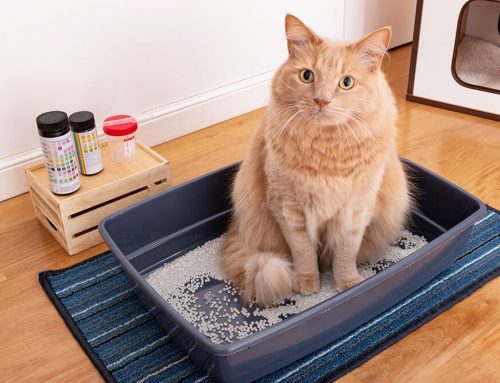

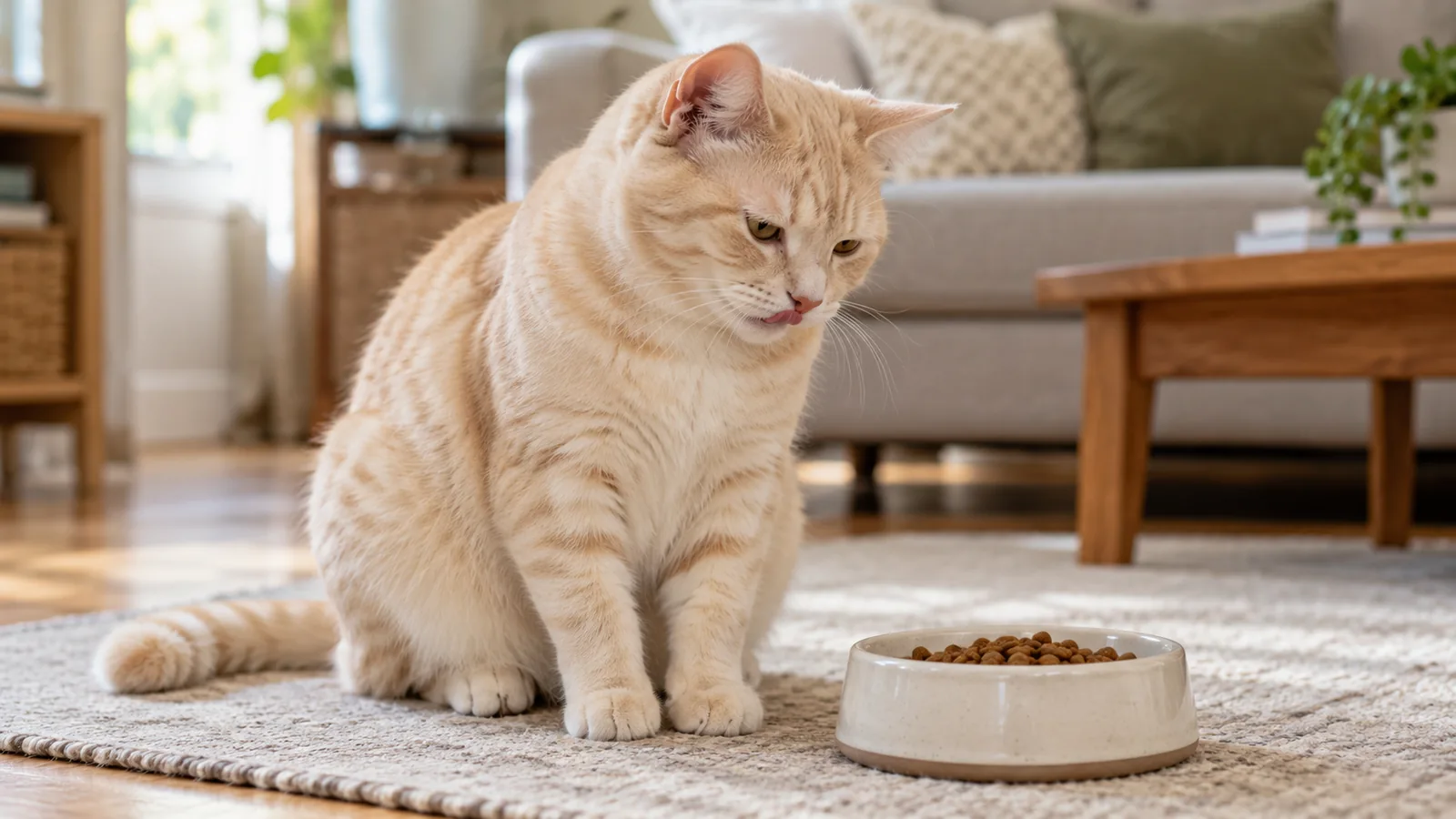
By the time you are tracking episodes on the calendar, the more useful question is not how often your dog or cat vomits, but what else has changed. Chronic vomiting rarely travels alone, and the company it keeps is what narrows the list. A rising thirst alongside the vomiting points away from the stomach and toward the kidneys, the liver, diabetes, or an overactive thyroid in cats. On-and-off loose stool keeps the search inside the gut, and telling those two apart early is what spares your pet months of guessing.
Cleaning up for weeks with no explanation wears on a family, and the changes you can make at home will not tell you why it is happening. Livingston Veterinary Hospital works a chronic vomiting case in order rather than at random, starting with an exam, bloodwork, and imaging to see whether the trouble sits in the gut or somewhere else. Careful, early diagnosis is how we practice veterinary medicine for dogs and cats in Livingston, and catching a problem early means better treatment options are available. If you have been cleaning up vomit regularly, let us start sorting it out.
The Quick Read on Chronic Vomiting
- Weeks of on-and-off vomiting needs a workup, not another food switch.
- What comes up, how often, and what else has changed narrow the list fastest, especially shifts in thirst, weight, stool, and energy.
- The cause can sit in the gut or in the kidneys, liver, pancreas, or thyroid, so bloodwork and imaging come before guesswork about diet.
- A food trial only counts as a test when the diet is the only thing your pet eats, and a biopsy is what separates inflammatory bowel disease from cancer.
How Do I Know If My Pet's Vomiting Is a Real Problem?
A single episode means little. Vomiting that repeats weekly for a month, or comes with weight loss, is a real problem, because something is driving it that won't settle on its own. Vomiting itself is a reflex, set off by a center in the brain either when something irritates the stomach and intestines or when something that shouldn't be in the blood is circulating.
What Can I Learn From What Comes Up?
A photo on your phone beats a description. The appearance of vomit narrows the list before any test: yellow or green bile usually means an empty stomach, dark grainy material that looks like coffee grounds is digested blood, bright red blood is fresh bleeding from higher up, and foamy white liquid tends to come with reflux. Note whether it clusters after meals or before breakfast.
When Should My Dog or Cat Be Seen for Vomiting?
Bring your pet in when you see:
- A pattern over weeks: more than one episode a week for a month, or vomiting that has become routine.
- Weight or appetite changes: pounds coming off, or walking away from food they used to finish.
- More drinking and more urinating: a cat draining the bowl, a dog asking out overnight.
- Low energy or on-and-off loose stool: either one alongside the vomiting needs a workup.
- Retching and hairballs: hairballs get written off as normal grooming, but more than about one a month, or repeated retching that brings nothing up, belongs with any other chronic vomiting.
Kidney disease, thyroid disease, liver trouble, and cancer all become more common with age, so if an older dog or cat in Livingston is vomiting regularly, get on the schedule instead of giving it another two weeks.
When Is Vomiting an Emergency?
A few patterns can't wait for the next open appointment:
- Blood: bright red, or dark and grainy like coffee grounds.
- Belly pain or bloating: a swollen, tight abdomen, or a pet who flinches when you touch their belly.
- Unproductive retching: especially in a large-breed dog, where it can signal a twisted stomach.
- Can't keep water down: water coming back up within minutes.
- A cat who won't eat at all: more than about a day without food can set off liver trouble in cats.
- Severe lethargy: pale gums, collapse, or a pet who is hard to wake.
- Puppies, kittens, or frail seniors with any other sign: they dehydrate fast.
Never make your pet vomit at home unless we've asked you to, and never give human pain or nausea medication, which can cause stomach ulcers, kidney damage, and death in dogs and cats. Call us right away during our open hours, and after hours the main office number reaches the veterinarian on call or directs you to a 24/7 emergency facility.
Is the Problem in the Gut or Somewhere Else?
Chronic vomiting usually traces back to one of four places: something your pet ate or swallowed, an organ outside the gut such as the kidneys or thyroid, disease in the stomach and intestines themselves, or the habits and stress around mealtimes. Gut wall disease and mealtime stress can both produce weeks of episodes alongside normal lab work.
Is My Pet's Food Causing the Vomiting?
Food is one of the most common causes, and choosing a pet food on label claims alone is how families end up cycling through bags. A true food allergy is an immune response to a specific protein, an intolerance is a digestive reaction to an ingredient the gut can't handle, and changing foods every few weeks keeps either one from ever being identified. A food that caused no trouble for two years can still become the problem, since allergies build with exposure.
Then there's everything a pet eats that nobody served: trash, droppings in the yard, a corner chewed off a blanket. A swallowed object, or gastrointestinal foreign body, doesn't always cause an obvious blockage. A strip of fabric or a length of string can let some food past and hold the rest back, so instead of a dramatic emergency you get weeks of unpredictable vomiting.
Can Kidney or Thyroid Disease Make a Pet Vomit?
Kidney disease and an overactive thyroid both cause vomiting, and the stomach is often where the first sign shows up. Chronic kidney disease tends to arrive as nausea, picky eating, and vomiting rather than anything a family would call urinary, because the waste products failing kidneys can no longer clear build up in the bloodstream. Quieting the nausea without treating the kidneys buys a few comfortable days, then the pattern returns.
| Condition | What else families notice | How we look for it |
| Chronic kidney disease | More water, more urine, weight loss, bad breath | Bloodwork and urine testing |
| Liver and gall bladder disease | Poor appetite, yellow gums or eyes, pale stool | Bloodwork and ultrasound |
| Hyperthyroidism, an overactive thyroid seen mostly in cats over 10 | Eating well but losing weight, restlessness, nighttime yowling | Thyroid level on a blood panel |
| Diabetes | More water, more urine, weight loss despite a good appetite | Blood sugar and urine testing |
| Pancreatitis | Hunched posture, belly pain, an appetite that comes and goes | Bloodwork and ultrasound |
What Gut Diseases Cause Long-Term Vomiting?
Once blood and urine come back clean, attention moves to the stomach and intestines. These conditions look alike at home and are treated very differently:
- Inflammatory bowel disease: long-standing inflammation of the gut wall, diagnosed by ruling out other causes and then seeing that inflammation in a tissue sample.
- Cancer: In cats, intestinal lymphoma is the gut cancer we see most, and on ultrasound it can mirror the changes of inflammatory disease, so tissue is what tells them apart. Stomach cancer is less common and shows up more often in older dogs.
- Ulcers: Gastric ulcers are open sores in the stomach lining, often linked to medication or another disease, and can put dark digested blood in what comes up.
- Morning bile: Bilious vomiting syndrome brings up yellow bile first thing in the morning on an empty stomach and often improves with a bedtime snack and different meal timing.
- Structural narrowing: Pyloric stenosis narrows the exit where the stomach empties into the intestine, so meals leave slowly and come back up still looking whole.
Why Does Dinner Come Back Up Still Looking Like Kibble?
Food that comes back up within minutes while your pet is bouncing around and acting normal can be due to eating too quickly. We jokingly call this scarf and barf, and it's common in multi-pet homes where dinner is a competition and in pets who went hungry before they came home. Interactive feeders slow a meal down, and so do separate rooms and smaller, more frequent portions.
Can Stress Make a Dog or Cat Vomit?
Stress upsets a cat's stomach, and the trigger is often something a household barely registers: a move, a new baby, a change in who's home during the day. Hiding or overgrooming often come with it. Dogs vomit from stress too, usually around separation or noise, and fear, anxiety, and stress in dogs can show up as pacing or clinginess before the stomach gets involved. Predictable routines, separate litter boxes and high perches for cats, and sometimes medication all help, though neither stress nor fast eating is a reason to skip the workup.
What Happens During a Chronic Vomiting Workup?
The visit opens with your history and a hands-on exam, which is often where a thickened loop of intestine or a sore belly turns up first. The testing that follows rules out the serious and the treatable before anyone changes the food.
- Bloodwork: organ values, blood sugar, red and white cell counts, and thyroid levels in cats, which covers most causes outside the gut at once.
- Urine testing: Urinalysis runs alongside the blood panel because urine concentration and protein in the urine can expose kidney changes while the blood values still read as normal.
- Stool testing: parasites and some bacteria are easy to miss and simple to treat, so this one comes early.
- Imaging: X-rays show gas patterns, swallowed material, and organ size, and a barium study follows liquid through the gut when a partial blockage is the question. Ultrasound shows the layers of the intestinal wall, the pancreas, the liver, and the lymph nodes beside the gut, which an X-ray can't.
Results from previous years of testing make these numbers more meaningful. For pets we already see for routine care in Livingston, a value still inside the normal range but far from their own baseline reads as a real change rather than a normal result.
Does a Food Trial Really Have to Be That Strict?
A diet trial only answers the question when the chosen food is everything your pet eats for eight to twelve weeks: nothing from the table, no treats, no flavored medications, and no raids on another pet's bowl. One slip costs you the result, so we plan the trial around your household first.
| Trial diet | How it works | Fits best when |
| Novel protein | One protein new to your pet, like rabbit, venison, or duck, that the immune system has never met | Your pet's food history is short and you know what's been in the bowl |
| Hydrolyzed protein | Breaks protein into pieces too small for the immune system to recognize | Your pet has already eaten most proteins, or the history is unknown |
Over-the-counter limited-ingredient foods look like the same thing for less money, but shared manufacturing lines can leave traces of other proteins in the bag, enough to keep symptoms going and spoil the result. Swap the treat jar for pieces of the trial food, tell everyone in the house the rule, and feed cats in separate rooms. If your pet boards with us mid-trial, send the trial food along so the rule holds while you're away.
What If the Tests and the Diet Trial Don't Give an Answer?
When bloodwork, imaging, and a clean diet trial all come back without a cause, the next answer comes from the gut lining itself. A sample of that tissue is the only thing that separates long-standing inflammation from cancer, and there are two ways to get one.
- Endoscopy: A flexible camera passed under anesthesia lets a veterinarian inspect the esophagus, stomach, and upper intestine and take small tissue samples without an abdominal incision.
- Surgical biopsy: An exploratory surgery opens the abdomen so the surgeon can see the organs directly and take full-thickness biopsies from several points along the gut. That matters because some diseases, including intestinal lymphoma in cats, sit deeper in the wall than a camera can reach.
Which route makes sense turns on what the earlier testing pointed toward, how deep into the gut wall the laboratory needs to sample, and whether your pet is a good candidate for a longer anesthesia. We do a great deal of soft tissue surgery here, so the biopsy happens at our hospital. The tissue is examined under a microscope, and that is what separates inflammatory bowel disease from intestinal lymphoma, other cancers, and chronic infections. Without the sample, a pet can spend months on a plan built for the wrong disease.
How Is Chronic Vomiting Treated?
What we treat depends on what the testing found, and chronic vomiting usually sorts into one of three plans. Our veterinary team builds that plan with you and adjusts it as rechecks come in.
- Food-responsive vomiting: when the trial diet resolved it, the diet is the treatment, often for good. What keeps it working is one household rule, a plan made before holidays and travel, and a look at the ingredient panel a few times a year, since manufacturers reformulate without announcing it.
- Inflammatory bowel disease: IBD is controlled rather than cured. Most pets go on an anti-inflammatory or immunosuppressive drug, often a steroid to start, along with an easier-to-digest diet and vitamin B12 when bloodwork shows it's low. Response varies between patients, so doses change and rechecks matter.
- Vomiting driven by organ disease: when kidney disease, an overactive thyroid, liver trouble, or pancreatitis sits behind it, the vomiting usually eases as that condition comes under control. A cat whose thyroid is treated often stops throwing up and puts weight back on.
Three Things Families Ask About Chronic Vomiting
Is there a difference between vomiting and regurgitation?
Vomiting and regurgitation are different problems, and telling them apart changes where we look. Vomiting takes effort: heaving, a working abdomen, and usually some warning like drooling, lip licking, or pacing. Regurgitation is passive, with food sliding back up with no effort, often still tube-shaped, soon after a meal, and it points to the esophagus instead of the stomach, which calls for a different workup. A video of an episode settles it faster than anything you can describe.
Can I give my pet something from my medicine cabinet?
Human nausea and pain medications cause real harm in dogs and cats: ibuprofen and naproxen damage the stomach lining and the kidneys, acetaminophen is especially dangerous for cats, and dosing is a guess without a current weight and bloodwork. If your pet has already had a human medication, call now with the name on the bottle.
Will my pet need a prescription diet forever?
Many food-responsive pets stay on the diet long term, and that's a good outcome. Stopping it often brings the vomiting back within a few weeks. Once symptoms have been quiet for a stretch, some pets move to a broader food, or add single proteins back one at a time to find the trigger.
How to Get Your Pet's Vomiting Diagnosed in Livingston
Keep a record of dates and times, what came up, and what else has shifted. Finding the cause can take more than one visit, and it goes faster when the same team is reading each result against the last one. Most of these pets do get an answer, and starting sooner means fewer weeks of guessing. If the vomiting has been going on for weeks, request a visit at Livingston Veterinary Hospital and bring that record with you.